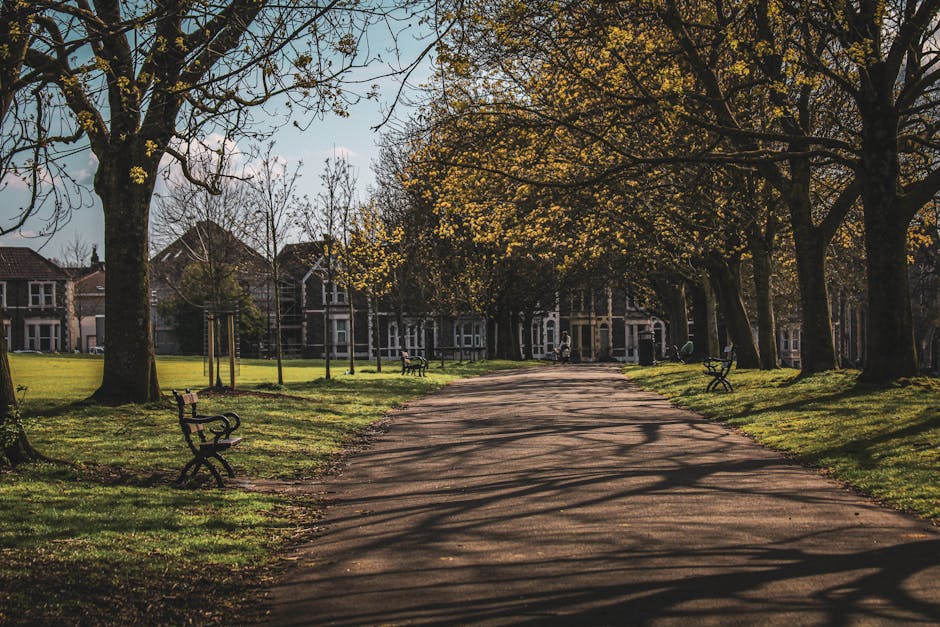
Gladstone Park garden services for large trees and borders
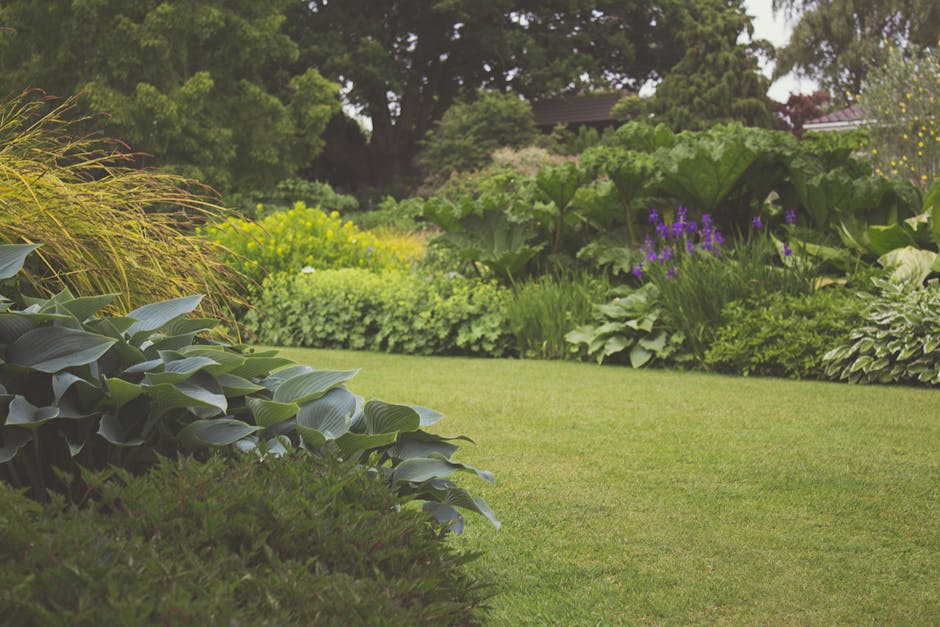
If you've got heavy tree growth casting shade over the garden, borders that have gone a bit wild, or simply a space that needs proper, steady hands, Gladstone Park garden services for large trees and borders can make a huge difference. This kind of work is not just about making things look tidy for a weekend. It is about shaping a garden so it grows well, stays manageable, and still feels like a place you want to spend time in.
Large trees and planted borders need different skills, and they often need them at the same time. One part of the garden may need careful pruning and weight reduction; another may need re-edging, replanting, or a clearer maintenance plan. Done well, the result feels calm and balanced. Done badly, well, you know the story: too much shade, broken structure, patchy growth, and a garden that feels harder to manage every month.
This guide explains how the service works, what to expect, when it makes sense, and how to avoid the mistakes that usually cost people time and money. If you are planning a broader refresh too, it can help to look at the full range of garden services available and see where tree care, border work, and general maintenance fit together.
Why Gladstone Park garden services for large trees and borders Matters
Large trees can transform a garden, but they also create pressure. Roots compete with other plants for water, crowns block light, and fallen leaves can smother borders if they are left to build up. In a smaller urban garden, that effect is often more pronounced than people expect. A mature tree can be the best feature in the space, and also the reason everything else struggles.
Borders have their own demands. A good border should frame the garden, soften hard edges, and carry colour through the seasons. But borders can quickly become overrun by vigorous growth, weeds, self-seeded plants, or shrubs that were planted with good intentions and now need a firmer hand. It is a bit like a wardrobe that keeps getting fuller without anyone sorting it out. At some point, you need structure.
That is why combining tree work and border care makes sense. If the tree is left to dominate, the border will often fail. If the border is maintained without considering the canopy overhead, new planting can still struggle. The best results come from looking at the whole space together, not treating each part as if it lives on its own little island.
Expert summary: With large trees and borders, the goal is usually balance, not dramatic intervention. The right cut, the right clearance, the right planting plan, and the right timing can make a garden feel bigger, brighter, and far easier to live with.
For many homeowners, this also ties into longer-term care. If you want the space to stay under control between visits, pairing tree work with regular garden maintenance is often the most practical route. It is less stressful than waiting until everything has become a once-a-year battle.
How Gladstone Park garden services for large trees and borders Works
In practice, the service usually starts with a clear look at the garden as a working system. That means checking the size and shape of the trees, the condition of the soil, the amount of light reaching the borders, and the current state of the planting. There is no useful shortcut here. A tidy-looking garden can still hide problems such as root competition, poor drainage, or overcrowded shrubs.
Large tree work may involve light crown thinning, formative pruning, deadwood removal, selective reduction, or safe removal where necessary. The right approach depends on the species, condition, and location of the tree. Border work might include cutting back tired growth, removing weeds, reshaping edges, refreshing mulch, or replanting to improve structure and seasonal interest. When both are planned together, the garden tends to respond much better.
It often helps to think in layers:
- Structural layer: tree shape, trunk clearance, and the overall framework of the garden.
- Planting layer: shrubs, perennials, bulbs, and ground cover in the borders.
- Maintenance layer: pruning cycles, weeding, feeding, watering, and waste removal.
A proper service will usually include safe access planning as well, especially where large branches overhang paths, fences, outbuildings, or neighbours' property. A ladder and a pair of shears are not enough for every job. Truth be told, that is where people get into trouble.
If the work is part of a wider redesign, a broader landscape gardening plan may make more sense. That way, tree adjustments, border improvements, and layout changes all pull in the same direction rather than fighting each other.
Key Benefits and Practical Advantages
There are plenty of reasons to invest in proper tree and border care, and the best ones are practical rather than flashy.
- More light: Reducing heavy shading can help borders recover, improve lawn performance, and make the whole garden feel more open.
- Better plant health: Borders that are not crowded or starved of light generally establish better and need less rescue work later.
- Cleaner structure: A garden with clear edges, shaped canopies, and defined planting looks calmer straight away.
- Lower maintenance burden: Once the big work is done, day-to-day upkeep becomes much easier.
- Safer movement around the garden: Better clearance around branches, walls, and access routes reduces nuisance and risk.
- More usable space: You may discover there is more of the garden available than you thought. Hidden, almost.
There is another advantage people sometimes overlook: timing. If you deal with large trees and borders before the garden becomes overgrown, you often avoid the compounding costs of neglected growth. A missed season can be manageable. Miss a few, and the job becomes slower, heavier, and frankly more irritating for everyone involved.
For gardens where leaf build-up, storm debris, or scrub has got out of hand, a supporting garden clearance service can be the clean-up step that resets everything before detailed border work begins.
Who This Is For and When It Makes Sense
This type of service is a strong fit for a few common situations. You might recognise one of them straight away.
- Homes with mature trees: If the canopy is shading borders, blocking views, or dropping lots of debris.
- Gardens with mixed planting: Where shrubs, perennials, and smaller plants are being squeezed out.
- Busy households: If you want the garden to look smart without spending every spare hour on it.
- Rental or sale preparation: When you need the space to look cared for and well-proportioned.
- After neglect: If the borders have become tangled and the tree growth has begun to dominate.
- After seasonal change: Late winter, spring reset, or post-summer tidy-ups are all common triggers.
It also makes sense if you've noticed that the same problems keep coming back. A border that always dries out, trees that always feel too heavy, or paths that never stay clear usually means the maintenance plan is missing something. That is the clue. Not always obvious, but usually there.
For homeowners who want predictable upkeep rather than occasional big interventions, services like hedge trimming and lawn mowing can sit neatly alongside tree and border care. It creates a much more balanced routine, and the garden stops lurching from overgrown to overcut.
Step-by-Step Guidance
If you are planning work on large trees and borders, a clear sequence saves hassle. Here is the approach we would usually recommend.
- Walk the garden properly. Look at tree height, branch spread, shade patterns, weak growth, and the state of each border.
- Identify priorities. Ask what matters most right now: light, safety, shape, plant recovery, or general tidiness.
- Separate urgent from cosmetic work. Dead branches, unstable growth, and obstruction issues come before aesthetic tidying.
- Decide what should stay. Good gardens are edited, not stripped. Keep the plants and tree features that still serve the space.
- Carry out the tree work first if needed. This often improves light and access before the border work starts.
- Cut back, clear, and reframe the borders. Remove damaged material, reduce overcrowding, and redefine edges.
- Refresh the soil surface. Compost or mulch can help hold moisture and reduce weed pressure.
- Review the maintenance rhythm. Set a realistic schedule so the work does not slip back.
A practical point worth mentioning: do not rush straight into replanting before the tree work has been assessed properly. The shade, root pressure, and falling debris will influence what will actually thrive. It is tempting to buy a few colourful plants and hope for the best. Nice idea, but gardens do not usually reward guesswork.
Where larger structural changes are needed, it may be worth looking at landscaping options as part of the plan, especially if borders need rebuilding, levels need improving, or the layout itself no longer works.
Expert Tips for Better Results
Small decisions make a big difference with mature gardens. Here are the things that usually separate an average result from a genuinely good one.
- Work with the tree's natural form. Heavy, unnatural cutting can create weak regrowth and a lopsided outline.
- Respect seasonal timing. Some work is best done when the plant is dormant, while other tasks need a gentler touch in the growing season.
- Think about mature size, not just immediate gaps. A border plant that looks fine today may be wrong in two years if the tree canopy is still changing.
- Use layers in the border. Taller structural plants, mid-height fillers, and lower ground cover usually create better long-term shape.
- Leave breathing room. Overcrowding looks full for a while, then quickly becomes a maintenance headache.
- Mulch lightly and sensibly. It can help, but piling mulch against stems is a bad habit.
One more thing. Watch the edges of the garden. The points where borders meet lawns, patios, fences, or decking often show wear first. That is where a tidy-looking garden starts to unravel if no one is paying attention. If the hard landscaping around the planting is also tired, a decking services visit or a broader refresh may help the whole space feel joined-up again.
And yes, sometimes the simplest tip is the most useful one: take photographs before and after. Not for show. Just for comparison. It helps you see what has actually changed instead of relying on memory, which is a tricky little thing.
Common Mistakes to Avoid
Most bad outcomes in large-tree and border work come from the same handful of mistakes. Easy to avoid if you know what they are.
- Cutting too much at once: Over-pruning can stress trees and leave borders exposed.
- Ignoring shade patterns: Planting sun-loving species under a heavy canopy almost always disappoints.
- Letting borders vanish into the lawn: Without clean edging, the whole garden starts to blur together.
- Removing every mature feature: Mature structure adds character. Stripping it away can make a garden feel flat and harsh.
- Skipping waste removal: Piles of cuttings attract more mess and slow everything down.
- Trying to fix design problems with one-off tidy-ups: If the layout is wrong, a quick cut only postpones the issue.
There is also a subtle mistake that many people make: assuming one visit will solve everything permanently. Sometimes it will solve a lot. But gardens, especially ones with large trees, keep changing. You get better results from a steady approach than from heroic one-off interventions. A bit annoying, perhaps, but true.
If you are unsure whether the work is purely maintenance or something more structural, it can help to review the broader about the team information and compare the style of service with your own expectations before booking anything in.
Tools, Resources and Recommendations
You do not need a shed full of specialist equipment to understand or manage this kind of garden work, but a few basic tools and practical resources are worth keeping in mind.
| Tool or resource | What it helps with | Why it matters |
|---|---|---|
| Secateurs and loppers | Smaller pruning and border clean-up | Useful for precise cuts without damaging nearby growth |
| Pruning saw | Thicker branches on mature shrubs or trees | Gives cleaner control than forcing the wrong tool |
| Rake and leaf bags | Clearing debris from borders and under trees | Prevents smothering and keeps the bed breathable |
| Mulch or compost | Soil conditioning and moisture retention | Supports healthier borders after clearance |
| Simple garden plan | Spacing, plant choice, and maintenance timing | Helps avoid future crowding and mismatched planting |
For most people, the most valuable resource is not a tool at all. It is a clear maintenance rhythm. Even a simple seasonal plan can stop the garden slipping back. That might mean tree assessment in late winter, border tidy-up in spring, and a lighter summer visit to keep growth from swallowing the edges.
If waste handling matters to you, especially after a bigger clearance job, it is sensible to ask about green waste disposal and reuse practices. A responsible approach to recycling and sustainability reduces avoidable landfill and keeps the process tidier overall. You can also review the company's recycling and sustainability approach if that is important to you.
Law, Compliance, Standards, or Best Practice
Tree work and garden maintenance in the UK should be handled with care, particularly where height, power tools, or access issues are involved. You do not need to know every technical rule yourself, but you should expect work to be carried out safely, responsibly, and with attention to property boundaries.
In real-world terms, good practice usually means:
- checking whether a tree is protected or subject to local restrictions before major work goes ahead
- working safely around neighbouring boundaries, sheds, fences, and overhead hazards
- using appropriate personal protective equipment and access methods
- disposing of green waste responsibly
- avoiding unnecessary damage to the root zone, lawn edges, or planting beds
That last one is often overlooked. The root zone of a mature tree can be sensitive, and heavy disturbance around the base can create problems later. Likewise, border work should avoid compacting soil too much, especially after wet weather. A garden can look neat on the day and still suffer if the practical side is ignored.
If you are comparing providers, it is reasonable to ask how they handle safety, insurance, and access planning. A good operator should be able to explain things in plain English, not hide behind jargon. If that information is important to you, you can also review insurance and safety information and the published health and safety policy before making a decision.
Options, Methods, or Comparison Table
Different gardens need different approaches. Sometimes the right choice is a light tidy. Sometimes it is a more deliberate reshape. And sometimes, to be fair, the garden is basically asking for a reset.
| Approach | Best for | Strengths | Watch-outs |
|---|---|---|---|
| Light maintenance | Well-kept gardens with modest growth | Quick, low-disruption, keeps things on track | Won't solve deeper shade or crowding issues |
| Targeted tree pruning | Large trees affecting light or shape | Improves structure and usable space | Needs judgement; too much cutting can backfire |
| Border renovation | Overcrowded or tired planting | Restores shape, colour and seasonal interest | May need ongoing care after the first pass |
| Full garden reset | Heavily neglected or unbalanced spaces | Creates a clean starting point | More time, more waste, and a bigger budget commitment |
In many cases, the best answer is a blend. A garden with mature trees may not need radical pruning. It may need well-timed cuts, border reworking, and a realistic ongoing plan. That combination tends to age better, which is what you want really.
Case Study or Real-World Example
Here is a typical example, based on a common kind of garden situation rather than a dramatic transformation story. A homeowner has two mature trees at the back, dense borders along the fence, and a lawn that always seems patchy beneath the canopy. The borders have become a mix of shrubs, self-seeded plants, and one or two things planted years ago without much thought for mature spread.
The first step is a proper assessment. The tree canopy is thinning out the light in one corner, so the borders there are struggling. A few branches are also dropping over the path, which makes access awkward. The plan is to reduce the most crowded sections of the canopy carefully, remove deadwood, clear out the border clutter, and preserve the healthiest structural plants.
Once the heavy growth is removed, the garden looks different almost immediately. Not transformed in a glossy magazine way. More believable than that. You can see the shape again, the border edges are visible, and the remaining plants have room to breathe. A few low-light-tolerant additions are then introduced, and the area becomes easier to keep tidy.
The real win is not the photos. It is the following few months. The homeowner notices less debris, less random overgrowth, and a garden that can be maintained in sensible stages rather than all at once. That is usually how it goes when the job is done with restraint and a bit of thought.
Practical Checklist
Before booking or starting work, use this checklist to stay focused.
- Have you identified which trees are causing the main issue?
- Do the borders need clearing, reshaping, or replanting?
- Is the main goal light, safety, structure, or tidiness?
- Are there overhanging branches affecting paths, fences, or buildings?
- Do you know which parts of the garden should be preserved?
- Have you considered whether the work needs a wider landscaping view?
- Is waste removal included or planned?
- Will the planting still suit the available light after pruning?
- Do you have a follow-up maintenance plan, even a basic one?
- Have you checked the provider's safety and service information?
If you are still deciding between service levels, a quick look at pricing and quotes guidance can help you set expectations before you commit. That saves a lot of awkward back-and-forth later.
Get a free quote today and see how much you can save.
Conclusion
Gladstone Park garden services for large trees and borders are really about restoring balance. Not overdoing it. Not leaving it half-finished. Just making the garden work better as a whole, so the trees, planting, and open space all pull together instead of competing for attention.
When the canopy is managed properly and the borders are kept clear, a garden feels lighter, calmer, and more inviting. You notice it on a dull afternoon, on a sunny morning, and even when you are just stepping outside with a cup of tea and wondering why the space suddenly feels easier to live with. That kind of change matters more than people sometimes realise.
If you are ready to take the next step, choose a provider that looks at the whole garden, explains the plan clearly, and respects both the trees and the planting beneath them. That is the sweet spot. And once you get there, the garden tends to reward you quietly, season after season.
Frequently Asked Questions
What do Gladstone Park garden services for large trees and borders usually include?
They usually include tree pruning or reduction, deadwood removal, border clearance, reshaping, weeding, edging, and often waste removal. The exact mix depends on the condition of the garden and what needs fixing first.
How do I know if my large tree is affecting my borders?
If the border under the tree is thin, leggy, patchy, or constantly dry, shade and root competition may be part of the problem. Heavy leaf drop and limited sunlight are also common signs.
Can large trees and borders be managed in the same visit?
Yes, and in many gardens that is the best approach. The tree work can improve light and access, while the border work makes the most of the changes. It tends to be much more efficient than treating them separately.
Is this the same as general garden maintenance?
Not quite. General garden maintenance is broader and may include mowing, hedge trimming, weeding, and routine tidying. Tree and border work is more focused and usually involves heavier structural or horticultural decisions.
Will pruning a big tree damage the garden?
It should not, if it is done carefully. Good practice protects nearby planting, avoids excessive cutting, and minimises disturbance to roots, soil, and surrounding features. Heavy-handed work is where damage happens.
When is the best time to deal with overgrown borders?
That depends on the plants involved, but many borders benefit from seasonal tidying in spring or autumn. If there are also trees to manage, the timing may need to be planned around the species and the condition of the canopy.
How often should large trees be checked or maintained?
It varies by species, age, and location, but mature trees are often best reviewed regularly rather than left for years. A sensible maintenance schedule helps spot problems before they become expensive or awkward.
What happens to the waste from tree and border work?
It is usually collected, sorted, and disposed of responsibly, with green waste often taken for recycling or composting where suitable. If sustainability matters to you, ask how the waste is handled before the job begins.
Can borders be replanted after tree work?
Yes, and this is often a smart follow-up. Once the light levels and space are clearer, you can choose plants that suit the conditions instead of fighting the existing shade and root competition.
Do I need permission for tree work?
Sometimes, yes. Some trees may be protected or subject to local restrictions, so it is wise to check before any major work begins. A reputable provider should raise that early rather than leaving it as an afterthought.
What if the garden feels too far gone to fix?
Most gardens are fixable in stages. The trick is to start with the biggest constraints first, usually the trees, the borders, or the waste build-up, and then build a maintenance routine from there. It can feel daunting, but honestly, gardens often improve quicker than people expect once the first clear decisions are made.
How do I choose the right service level?
Start with the outcome you want. If you need a tidy-up, light maintenance may be enough. If the garden is shaded, crowded, or structurally unbalanced, you may need a more detailed tree and border intervention. A clear site assessment is usually the easiest way to decide.