Cricklewood Station gardeners for fast front garden makeovers
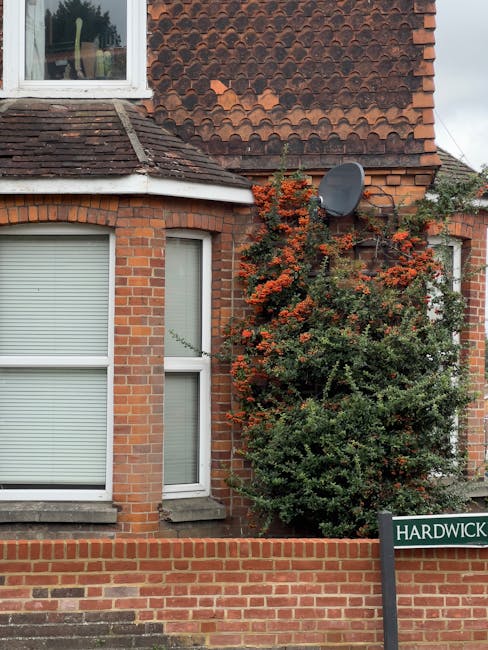
If your front garden is looking tired, overgrown, or simply a bit forgotten, you are not alone. Around Cricklewood Station, lots of homes have small but visible front spaces that need to work hard: they should look neat, feel welcoming, and be easy to maintain. That is exactly where Cricklewood Station gardeners for fast front garden makeovers can make a proper difference. Not a months-long transformation. A quick, thoughtful one that changes how the whole house feels from the pavement in.
Maybe you want better kerb appeal before selling. Maybe the hedge has gone wild and the lawn patch is more moss than grass. Or maybe you are just fed up with stepping around leaves, broken pots, and a path that looks like it has given up. Fair enough. This guide walks through how fast front garden makeovers work, what good gardeners focus on first, and how to get a result that looks tidy now and still makes sense six weeks later.
And yes, there is a difference between a "fast tidy-up" and a genuinely useful front garden refresh. One is a rush job. The other is the sort of job that makes you think, "Why didn't I do this sooner?"
Why Cricklewood Station gardeners for fast front garden makeovers Matters
Front gardens do more than sit there looking decorative. They shape first impressions, help define the property boundary, and set the tone for the rest of the home. A front space near Cricklewood Station often has to deal with compact layouts, foot traffic, street dust, shade from nearby trees or buildings, and the day-to-day wear that comes with London living. That is why a fast makeover needs to be practical, not just pretty.
A front garden makeover matters because it can solve several problems at once:
- it makes the entrance easier to use every day
- it improves the appearance of the home without major building work
- it can reduce maintenance time through smarter planting and simpler layouts
- it helps a property feel more cared for, which matters whether you are staying put or preparing to sell
In our experience, the best front garden improvements are often the least dramatic at first glance. A crisp edge. A hedge trimmed back properly. Gravel or paving cleared of weeds. A small lawn restored so it looks intentional again. Nothing flashy. Just clean, balanced, and tidy. You notice the difference immediately, even if you cannot quite say why.
Garden services overview can be a useful starting point if you want to understand how different kinds of work fit together before you book anything. That is especially helpful if your front garden needs more than one type of task in a short window.
How Cricklewood Station gardeners for fast front garden makeovers Works
A fast front garden makeover usually starts with assessment, then quick-priority work, then light finishing. The goal is not to rebuild the whole space. It is to remove the visual clutter and get the garden back under control quickly, with sensible choices that hold up.
Most effective makeovers follow a sequence something like this:
- Clear the obvious problems. Remove waste, dead growth, fallen leaves, broken planters, and anything blocking the path or frontage.
- Cut back overgrowth. Hedging, shrubs, and self-seeded plants are often the biggest visual issue. Once these are trimmed, the garden immediately feels larger.
- Shape the space. Create visible edges around beds, lawns, or pathways so the front garden looks designed rather than accidental.
- Refresh the surface areas. Mow the lawn, weed the borders, sweep the path, and tidy gravel or paving.
- Add simple finishing touches. Fresh mulch, a few well-chosen plants, or a cleaned-up container display can lift the whole entrance.
Speed comes from doing the right things first. Truth be told, it is easy to waste half a day fussing over one flower bed when the real problem is that the hedge is swallowing the frontage. A good gardener looks at the space as a whole and fixes the biggest visual interruptions first.
If there is structural landscaping involved, such as reworking a path edge or improving a tired entry area, the work may lean more towards landscaping support. If the garden is heavily neglected, a first-stage garden clearance may be the smartest starting point before any beauty work begins.
Key Benefits and Practical Advantages
There is a reason fast front garden makeovers are so popular. They are efficient, and they solve visible problems without forcing you into a major project. For busy homeowners, landlords, and anyone who has had enough of looking at a rough frontage every time they open the door, that is a big deal.
- Better kerb appeal right away. You do not need to wait months for growth to settle in or for a full redesign to be finished.
- Lower everyday maintenance. A well-cut hedge and a sensible planting layout usually mean less ongoing effort.
- Safer access. Clear paths, controlled planting, and tidy borders reduce trip hazards and awkward access.
- More usable space. Even a tiny front garden can feel bigger once the clutter is removed and the edges are defined.
- Better seasonal resilience. A simple, well-kept layout is easier to manage through wet weather, leaf fall, and the stop-start rhythm of a British year.
There is also a psychological benefit that people do not always mention. You walk out the door and the place feels looked after. That matters. Small, visible improvements can change how you feel about the whole property, and sometimes that is half the job.
For homes where the lawn is part of the front presentation, regular lawn mowing can be the difference between "presentable" and "slightly neglected but with potential". If hedges are the main issue, a clean, controlled finish from hedge trimming often delivers the quickest visual win.
Who This Is For and When It Makes Sense
Fast front garden makeovers suit people who want visible improvement without committing to a full redesign. That includes all sorts of situations, and to be fair, they are more common than you might think.
- Homeowners preparing to sell. A tidy frontage can strengthen first impressions before viewings.
- New buyers settling in. If the house itself is fine but the front garden feels awkward or overgrown, a fast refresh makes the place feel more yours.
- Landlords and agents. A presentable entrance helps a property look cared for between tenancies.
- Busy families. If no one has time to battle the hedge and weeds every weekend, a streamlined layout is a relief.
- Older homeowners. Lower-maintenance planting and cleaner access paths can make a big practical difference.
It also makes sense when a garden has a lot of visual noise but not necessarily a lot of deep damage. For example, the planting might still be healthy, but the borders are messy, the edges are lost, and the front looks tired because no one has shaped it for a while. That is usually fixable quickly.
If you are unsure whether the issue is simple maintenance or a bigger rethink, start by checking what is actually causing the mess. Is it weeds, growth, poor layout, waste, or hard landscaping that has broken down? That distinction matters, because it helps you avoid paying for a cosmetic tidy when what you really need is a more complete update.
Step-by-Step Guidance
If you want a front garden makeover done quickly and properly, the process should be clear. Here is a sensible approach that keeps the work focused and avoids wasting time on the wrong details.
1. Walk the frontage from the street
Step back and look at what a passer-by sees first. It sounds simple, but it is the best way to spot what is dragging the appearance down. Is the hedge too wide? Does the path disappear under leaves? Are the beds full of weeds or just badly defined? That first view usually tells the truth.
2. Decide what must go
Remove broken, dead, or misplaced items before you start improving anything. Old pots, damaged edging, random bags of soil, and tired decorations can make the space feel smaller and busier. Honestly, front gardens often look better after removing things than after adding things.
3. Clear and tidy the hard surfaces
Sweep paths, clean steps, remove moss where appropriate, and tidy any entrance area that catches the eye. These are the surfaces people notice first, especially when the garden is small. Clean lines help a lot.
4. Shape the growing areas
Trim hedges, prune shrubs, cut back overhang, and define borders so they look intentional. A neat boundary line around planting beds can change the whole feel of a front garden. If trees are casting too much shade or creating safety concerns, careful tree lopping and removal may be part of the solution, though that should only be considered where it is genuinely needed.
5. Restore the lawn or replace the weak spots
If the front garden has a lawn, keep it short and even. If parts are patchy, decide whether patch repair is enough or whether a simpler non-lawn finish would make more sense. Some gardens are simply easier to manage with gravel, mulch, or planting rather than trying to force a lawn to behave.
6. Improve the borders
Fresh mulch, clean edging, and a few hardy plants can make a border look cared for with very little fuss. The trick is not overcomplication. Front borders should read clearly from the street. They do not need a botanical dissertation.
7. Check water, drainage, and access
Make sure water is not pooling by the entrance, plants are not blocking drainage, and the approach to the front door is easy to use. A beautiful front garden that is awkward to walk through is still an awkward front garden.
8. Finish with a quick "street view" review
Do one last look from the pavement. If you can see clutter, uneven lines, or a dark patch that draws the eye for the wrong reason, tidy that area again. Small adjustments matter more than people think. Especially at the front of a house.
Expert Tips for Better Results
Fast makeovers work best when they are decisive. Not hurried, decisive. There is a difference, and it shows in the result.
- Keep the palette simple. If you are adding plants or decorative surfaces, choose a limited number of materials so the front stays calm and legible.
- Use shape before colour. Good structure matters more than bright planting if the space is small.
- Think about how the garden looks in winter. A front garden in London needs to look decent on grey mornings too, not just when everything is in flower.
- Choose low-fuss species where possible. If you want a front garden that remains manageable, favour resilient plants over fussy ones.
- Make the entrance obvious. The route to the front door should be easy to read at a glance.
- Prune for light, not just size. Letting in more daylight can make even a modest frontage look brighter and cleaner.
One small but useful habit: pause halfway through and look from the street again. You will often spot the one thing that is still shouting for attention. It might be one leaning shrub, a bucket, or a patch of weed growth you missed. Happens all the time.
Also, if you are booking work in peak growing season, ask for a tidy plan that includes follow-up maintenance. A brilliant makeover can fade quickly if nothing is kept in check. That is not pessimism, just gardening reality.
Common Mistakes to Avoid
Most front garden disappointments come from trying to do too much, too quickly, or from focusing on the wrong things. Here are the common ones.
- Overplanting. A packed front border may look full on day one, but it often becomes a maintenance headache.
- Ignoring the boundary line. If the hedge or shrub line is messy, the whole garden looks untidy even if the rest is fine.
- Using too many materials. Too many colours, textures, or decorative features can make a small frontage feel cluttered.
- Forgetting access. A front garden should be easy to walk through, sweep, and maintain.
- Leaving hidden waste behind. Stashed debris, old compost bags, or damaged pots can spoil the final impression.
- Choosing a makeover that is not maintainable. If you will not keep up with it, the design needs to be simpler.
Another mistake is assuming a fast makeover means skipping the "boring" jobs. It usually does not. The boring jobs are the makeover. Clearing, edging, cutting back, sweeping - that is what makes the difference. Flashier touches come after.
Tools, Resources and Recommendations
You do not need a huge toolkit to improve a front garden, but the right equipment matters. The work should be efficient, clean, and safe.
| Task | Helpful tools or materials | Notes |
|---|---|---|
| Clearing debris | Rake, bags, gloves, wheelbarrow | Best for leaves, prunings, and surface waste |
| Trimming hedges and shrubs | Secateurs, hedge trimmer, pruning saw | Use the lightest tool that does the job well |
| Refreshing lawns | Lawn mower, edging tool, feed if appropriate | Keep cuts even and avoid scalping weak grass |
| Border tidy-up | Weed remover, hand fork, mulch | Clean edges make the biggest visual improvement |
| Hard surface clean-up | Broom, scraper, pressure washing where suitable | Be careful around joints and delicate finishes |
Useful service links can also help you plan the work properly. If the front garden has become a bit overwhelmed, routine garden maintenance may be the simplest next step after the initial tidy. For a property that needs a broader refresh, the landscape gardening approach is more suitable because it looks at the garden layout as well as the finish.
If you care about waste handling and the end result of clearance work, it is also worth reading about recycling and sustainability. That is the kind of detail people often skip, then regret later when piles of cuttings and debris are left with nowhere sensible to go.
Law, Compliance, Standards, or Best Practice
For front garden work, compliance is usually less about paperwork and more about doing things properly and safely. That said, there are a few practical standards and expectations worth keeping in mind in the UK.
Waste removal: garden waste should be handled responsibly. If you are having a clear-out, ask how the waste will be removed and disposed of. Reputable operators should be clear about this. It is a simple question, but a fair one.
Safety: trimming, lifting, cutting, and working near paths or boundaries can create avoidable risk. Good practice includes using the right equipment, managing tools carefully, and keeping access routes clear while work is underway. For more detail on how safety is approached, see health and safety policy and insurance and safety.
Neighbour considerations: front gardens are visible and often close to neighbours, footpaths, and shared boundaries. It is sensible to avoid blocking access, dropping waste over boundary lines, or creating unnecessary mess. Sometimes the social side is as important as the gardening side. London living, you know how it is.
Environmental care: a good makeover should avoid wasteful overuse of materials and should aim for practical planting and sensible disposal. That does not mean every garden must be eco-themed. It just means the work should not create avoidable clutter or waste.
Service transparency: if you are comparing providers, check that pricing, scope, and expectations are explained clearly. The pricing and quotes page is a useful place to understand how estimates and job scope are handled before you commit.
Trust and business information: for reassurance about the company behind the work, it helps to review about us and the available services overview. A straightforward business page can tell you quite a lot about how seriously a team takes its work, even before anyone steps into the garden.
Options, Methods, or Comparison Table
Different front gardens need different levels of intervention. Here is a simple comparison that can help you decide what approach fits best.
| Approach | Best for | Typical strengths | Limitations |
|---|---|---|---|
| Fast tidy-up | Gardens that are mostly fine but messy | Quick, cost-conscious, improves first impressions | Won't solve deeper layout issues |
| Maintenance reset | Gardens that have drifted out of shape | Combines cutting, clearing, edging, and lawn care | May need repeat visits to stay sharp |
| Light makeover | Gardens needing visible improvement | Adds structure, simple planting, and cleaner surfaces | Needs thoughtful choices to stay low-maintenance |
| Full landscaping | Gardens with poor layout or major wear | Can change access, balance, and long-term usability | More time, more planning, usually a bigger budget |
For many people near Cricklewood Station, the sweet spot is somewhere between a maintenance reset and a light makeover. That gives the best return without turning the front of the house into a building site. And nobody wants that if they can help it.
Case Study or Real-World Example
Imagine a modest front garden on a residential street near Cricklewood Station. The layout is simple enough, but the hedge has spread wide, the front path is partly obscured by weeds, and the lawn has thin patches where people cut across the edge. A few tired pots sit by the door, and there is a general sense that the space has been managed in bits and pieces rather than as a whole.
A fast makeover in that situation might begin with clearance of debris, removal of the clutter near the entrance, and a proper hedge trim. The path gets swept and weeded. The lawn is mown and edged. The borders are defined again, with some old material removed and fresh mulch added where needed. Maybe one or two hardy plants are introduced, but only if they serve the shape of the garden rather than distract from it.
The result is not dramatic in a glossy-magazine way. It is better than that. The house suddenly feels more open, the door is easier to find from the street, and the whole frontage looks like someone actually lives there and cares. Small change, big effect. You see it especially in the early evening, when the light is soft and the edges read clearly.
If more than tidying is needed, a small amount of structural work, such as refined edging or a better surface layout, can be folded in. If you want a lasting upgrade rather than a one-off tidy, that is where landscaping and garden maintenance start to overlap in a useful way.
Practical Checklist
Use this checklist before you book or begin a front garden makeover:
- Walk the frontage and note the first things you see from the pavement
- Identify what is clutter, what is overgrowth, and what is structural damage
- Decide whether you need clearance, maintenance, landscaping, or a mix
- Check whether the lawn, hedge, borders, and paths all need attention
- Remove broken pots, old bags, and visible waste
- Trim back plants that block light, access, or sightlines
- Define edges so the garden looks intentional
- Choose simple finishing touches rather than lots of extras
- Make sure the result will be easy to maintain
- Ask how waste, safety, and pricing will be handled
A lot of people skip the last two points, then wonder why the garden looks good for ten days and tired again by the end of the month. It happens. Easy to fix, though, if you plan well from the start.
Conclusion
Cricklewood Station gardeners for fast front garden makeovers are at their best when they focus on clarity, speed, and sensible restraint. The job is not to turn a front garden into something unrecognisable. It is to reveal what is already there, remove the visual noise, and create a frontage that feels tidy, welcoming, and easy to live with.
Whether you need a quick tidy-up, a clearance-led refresh, or a smarter long-term maintenance plan, the key is to start with the parts that make the biggest visual difference. Hedge lines, borders, paths, and access points usually tell you what needs attention first. Once those are sorted, the rest tends to fall into place.
If you are comparing your options, take a moment to look at the broader service information, then consider what level of work will actually suit your space. A little judgement goes a long way here.
Get a free quote today and see how much you can save.
And if all you do this week is make the front entrance feel a bit more cared for, that is still a win. Sometimes that one small change changes everything you see when you come home.
Frequently Asked Questions
How fast can a front garden makeover near Cricklewood Station be done?
That depends on the size of the garden and how untidy it is, but many front garden improvements can be completed quickly if the main issues are overgrowth, weeds, and clutter rather than major rebuilds.
What is the difference between garden clearance and a front garden makeover?
Garden clearance usually focuses on removing waste, debris, and heavy overgrowth. A front garden makeover may include clearance, but it also adds shaping, tidying, planting, and visual finishing.
Will a fast makeover make my front garden easier to maintain?
It should, if it is planned properly. Simpler borders, cleaner edges, and manageable planting choices usually reduce the time needed for routine care.
Is hedge trimming enough to improve the front of my house?
Sometimes yes, especially if the hedge is the main thing making the frontage look untidy. But if the path, borders, or lawn are also in poor shape, you will probably want a broader tidy-up too.
Do front garden makeovers work for small spaces?
Absolutely. Small front gardens often benefit the most because every little improvement is visible from the street. A tighter, neater design can make a small space feel surprisingly open.
What if my front garden has patchy grass and poor soil?
Then it is worth deciding whether the lawn is worth keeping. In some cases, a lower-maintenance design with cleaner borders or alternative surfaces is a more practical choice.
Can I combine lawn mowing, hedge trimming, and clearance in one visit?
Yes, and that is often the most efficient way to handle a front garden refresh. Combining tasks helps the space come together as one coherent job rather than a few disconnected fixes.
How do I know if I need landscaping rather than maintenance?
If the layout itself feels awkward, access is poor, or the space needs a more significant visual change, landscaping may be the better fit. If it is mostly overgrown or untidy, maintenance may be enough.
What should I ask about safety and waste handling?
Ask how tools are managed, how access is kept clear, what happens to cuttings and debris, and whether the work follows clear safety practices. Those are sensible questions, not fussy ones.
Are there seasonal considerations for front garden work in London?
Yes. Wet weather, leaf fall, shade, and growth surges can all affect how a front garden looks and how much maintenance it needs. A good plan should take the season into account rather than treating every month the same.
How can I keep the front garden looking good after the makeover?
Keep the routine simple: mow or tidy regularly, trim before growth gets out of hand, clear leaves, and avoid adding too many decorative extras. Little and often usually works best.
Where can I learn more about the company and its approach?
You can read more on the about us page and review practical details such as pricing and quotes before making a decision.